


What Can You Really Stock in a 5-Gallon Aquarium?
Dec 26, 2025
5 min read
Ask 20 different fish keepers what you can stock in a 5-gallon aquarium and you will probably get 20 different answers. Some may even judge you with a multi-paragraph Reddit post explaining why anything under a 10-gallon tank should not even be considered.
The reality is that stocking a 5-gallon tank is one of the most debated topics in the aquarium hobby. This is largely because 5-gallon tanks are often the entry point for new fish keepers who want to do more research than simply buying whatever looks good at the local fish store.
Much of the disagreement comes down to:
Differences in experience
Maintenance tolerance
Tank setup
Where you live geographically and the cultural standards
One factor that is often overlooked is that not all 5-gallon tanks are created equal. A tall, portrait style tank behaves very differently from a shallow bookshelf style aquarium. Footprint, surface area, and usable swimming space all directly impact what species can survive and thrive.
Before diving in, a quick caveat: this is not a full care guide for every species listed. Think of this as a starting framework. If a species here catches your interest, always do your own research before purchasing.
To make things clearer, we will break stocking options into three categories:
Universally accepted and safe choices
Frequently debated stocking options
Species that are broadly discouraged for 5-gallon tanks
Universally Safe 5-Gallon Tank Stocking Options
These are the choices that most experienced hobbyists agree are appropriate when kept correctly.
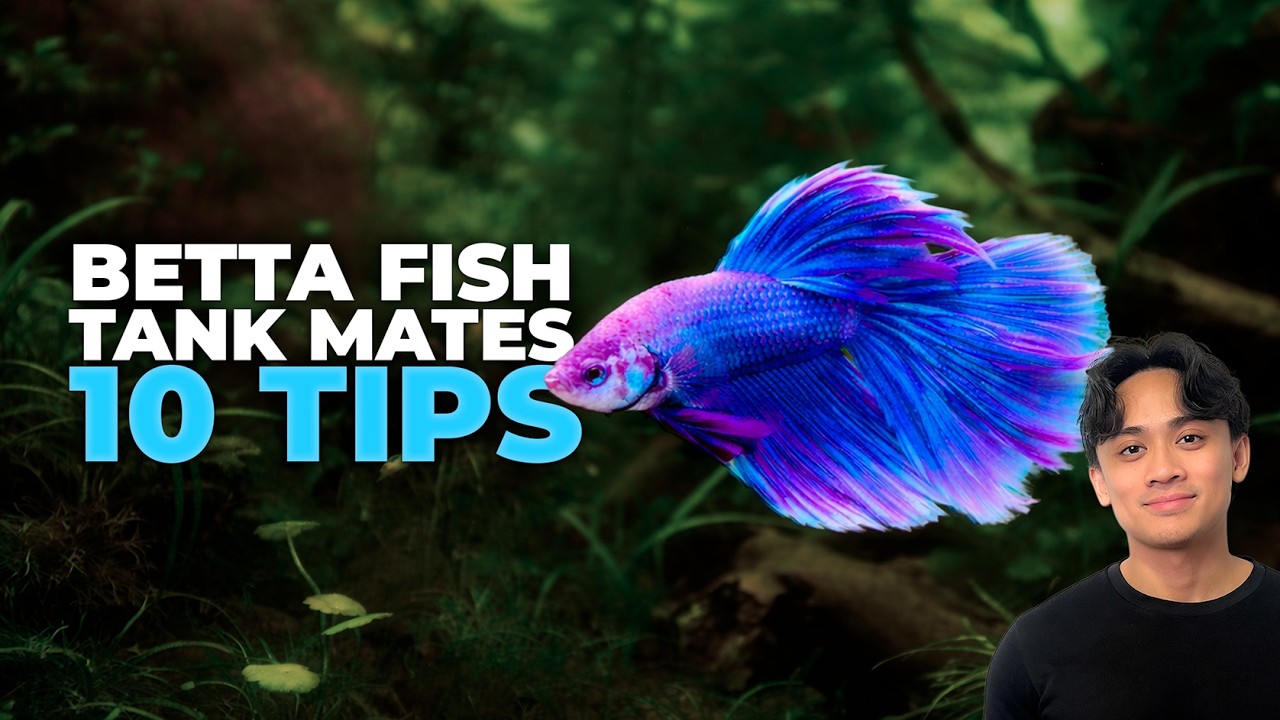
Betta Fish
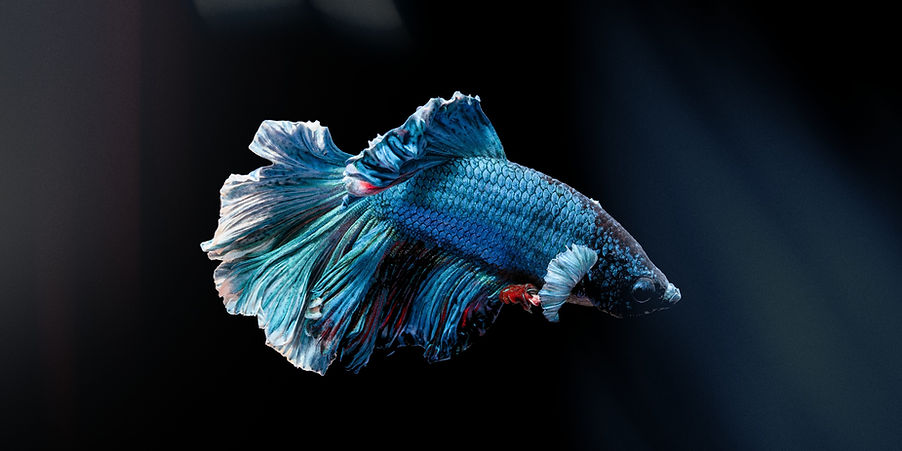
The betta fish is the quintessential nano aquarium centerpiece. They are widely available, colorful, and beginner friendly. While betta hardiness can vary depending on breeding quality and where they are purchased, a 5-gallon tank is broadly considered the absolute minimum size for a single betta fish.
Neocaridina Shrimp (Cherry Shrimp and Similar Varieties)
Neocaridina shrimp are perfect for nano aquariums. They breed readily, have fascinating behavior, and produce very little waste. Because of their low bioload, they can be kept safely in a 5-gallon tank without overwhelming filtration.
Caridina shrimp, such as Crystal Reds, are also possible but require more experience due to stricter water parameter requirements.
Snails
Snails make excellent inhabitants for 5-gallon tanks. Nerite snails, ramshorn snails, and mystery snails all offer different shell patterns and colors while contributing minimal waste compared to fish.
Note that Nerite snails do best in well-seasoned tanks, otherwise you run the risk of starving them! Also keep in mind that mystery snails have a heavier bioload than other snail species, so a single mystery snail is recommended in a 5-gallon setup.
A snail-only tank, or a snail and shrimp combination, can be an incredibly enjoyable nano ecosystem.
Orange Mexican Dwarf Crayfish (CPO)
CPO crayfish grow to roughly 1.5 to 2.5 inches and are packed with personality. If kept in a 5-gallon tank, a shallow footprint tank is preferred to maximize bottom surface area.
Only one crayfish should be kept per tank, and plenty of hiding spots are essential, especially during molting. While CPOs are hardy and adaptable, they still require proper research and preparation.
Frequently Debated 5-Gallon Stocking Options
These species can often survive in a 5-gallon tank, but many hobbyists argue they do not truly thrive due to space limitations and natural behavior constraints.
Endler’s Livebearers
Small groups of male Endlers are sometimes kept successfully in 5-gallon tanks. They are hardy, colorful, and constantly active. That constant movement, however, is exactly why critics feel a 5-gallon tank can feel cramped.
A 10-gallon tank provides significantly better swimming space. Females should be avoided entirely due to rapid breeding.
Clown Killifish
Clown killifish are calm, surface-dwelling fish that seem like a good fit on paper. While three to four individuals may survive in a 5-gallon tank, they display better coloration and natural behavior in larger groups, which a 5-gallon tank cannot comfortably support.
Ember Tetras
It is common to see six to eight ember tetras kept in well-planted 5-gallon tanks. While they may survive, embers are schooling fish that show better color and behavior in larger groups, which require more space.
Chili Rasboras
Chili rasboras are tiny and lightly stocked, making them tempting for nano tanks. In some regions they are even bred in very small aquariums. However, they behave best in larger shoals, and a 5-gallon tank limits group size significantly.
Rice Fish
Rice fish are hardy and adaptable, even tolerating cooler water. In Japan, they are often kept outdoors in ceramic containers year-round. While it is possible to keep them in a 5-gallon tank, many hobbyists argue the horizontal swimming space is insufficient.
Threadfin Rainbowfish
Threadfin rainbowfish are visually stunning but require groups to feel secure. Males also need space to display. A 5-gallon tank often proves too restrictive for these behaviors.
Pygmy Corydoras
Some aquarists keep small groups of pygmy corydoras in 5-gallon tanks with anecdotal success. However, they are true schooling fish that are far more active and social in groups of eight or more, which realistically requires a 10-gallon tank minimum.
Portrait-style 5-gallon tanks should be avoided entirely for pygmy corydoras due to limited bottom space.
Discouraged 5-Gallon Tanks Stocking Options
These species are widely considered poor fits for a 5-gallon aquarium.
Pea Puffers
Pea puffers are small and charismatic, leading many to assume they belong in nano tanks. While some have kept a single pea puffer in a heavily planted 5-gallon tank, this is not ideal.
Pea puffers are social and territorial and do best in groups of three to five or more. A 5-gallon tank lacks the space and sight breaks needed to manage aggression. Combined with their messy, high-protein diet and sensitivity to water quality, small tanks quickly become problematic. A minimum of 15 gallons is strongly recommended.
Scarlet Badis
Scarlet badis are highly territorial, especially males. They require adequate footprint and line-of-sight breaks to avoid constant harassment. A 10-gallon tank is considered the minimum, with larger tanks needed for multiple males.
Sparkling Gourami
Sparkling gourami are often suggested for nano tanks because of their size, but unlike bettas, they are social fish that thrive in groups. A 5-gallon tank does not provide enough space to support this behavior.
Least Killifish
Least killifish are extremely small but reproduce rapidly. Their population growth and need for stable water parameters make a 5-gallon tank difficult to manage long term. A 10-gallon tank is a far more appropriate minimum.
Goldfish
Goldfish are not nano fish. Even juvenile goldfish quickly outgrow a 5-gallon tank. They are extremely messy, produce large amounts of waste, and require substantial filtration and oxygenation.
Every reputable source recommends a minimum of 20 to 40 gallons depending on goldfish variety. A 5-gallon tank cannot meet their needs.
Final Thoughts
Stocking a 5-gallon tank is all about understanding limitations. Some species can thrive, others merely survive, and some should be avoided entirely. Tank footprint, filtration, maintenance habits, and experience level all play a role in success.
Did we miss anything? Do you agree or disagree with any of these categories? Healthy discussion is what keeps the hobby moving forward.
And if you decide to go the betta fish route, be sure to check out our complete betta care resources to ensure you are keeping them the right way.
Comments